

PRP
What is Cellular Matrix Hybrid Therapy
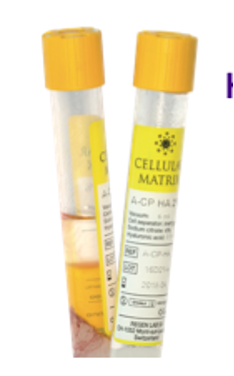
Cellular Matrix Hybrid Therapy is the combination of PRP with Hyaluronic acid to help lubricate the joint, aid in shock absorption to enable low friction, smooth movements.
With age our body is unable to produce enough Hyaluronic acid to meet with our needs and compresses cartilage, losing its lubrication and elastic properties. This makes our everyday movements like walking difficult for joints and cause pain.
What benefits does it have?
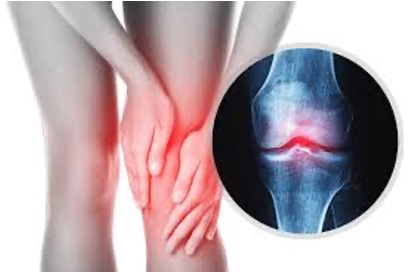
CMH Therapy helps with joint conditions like osteoarthritis.
Osteoarthritis is a condition where joint cartilage erodes with wear and tear, thinning down the cartilage leading to inflammation and friction between movements.
CMHT helps lubricate this joint allowing efficient movement and friction helping you with pain free walking and everyday activities.
What is Platelet-Rich Plasma (PRP)?
Platelet-Rich Plasma (PRP) is a treatment that uses a concentration of platelets derived from your own blood to help promote healing.
Platelets are small cells in the blood that contain growth factors crucial for tissue repair.
PRP is created by centrifuging a blood sample to separate the platelets from red blood cells.
The resulting plasma, which contains concentrated platelets, proteins, and some white blood cells, is then injected into the area needing treatment.
This helps stimulate healing by releasing growth factors and promoting tissue repair.
Conditions Treated with PRP
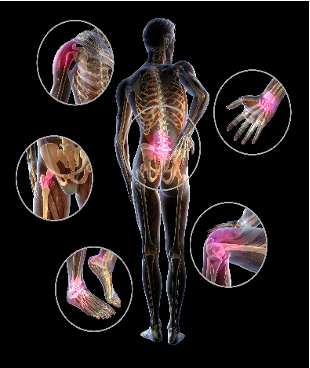
- Osteoarthritis (knee, hip, shoulder, ankle, etc.)
- Ligament strains and tears (lower back, knee, wrist, etc.)
- Tendinopathy (Achilles, rotator cuff, knee, elbow, gluteal, etc.)
- Bursitis (trochanteric, subacromial)
* Please consult with your doctor about suitability of this treatment for your condition
How PRP Works
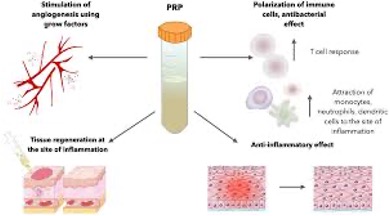
PRP contains concentrated platelets with growth factors like PDGF, TGF-β, and VEGF.
These growth factors help initiate cell division and migration, which accelerates tissue healing.
PRP has been used since the 1980s and is increasingly used to treat both acute and chronic musculoskeletal injuries (tendons, ligaments, muscles, etc.).
PRP Procedure
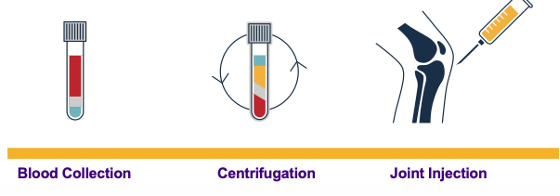
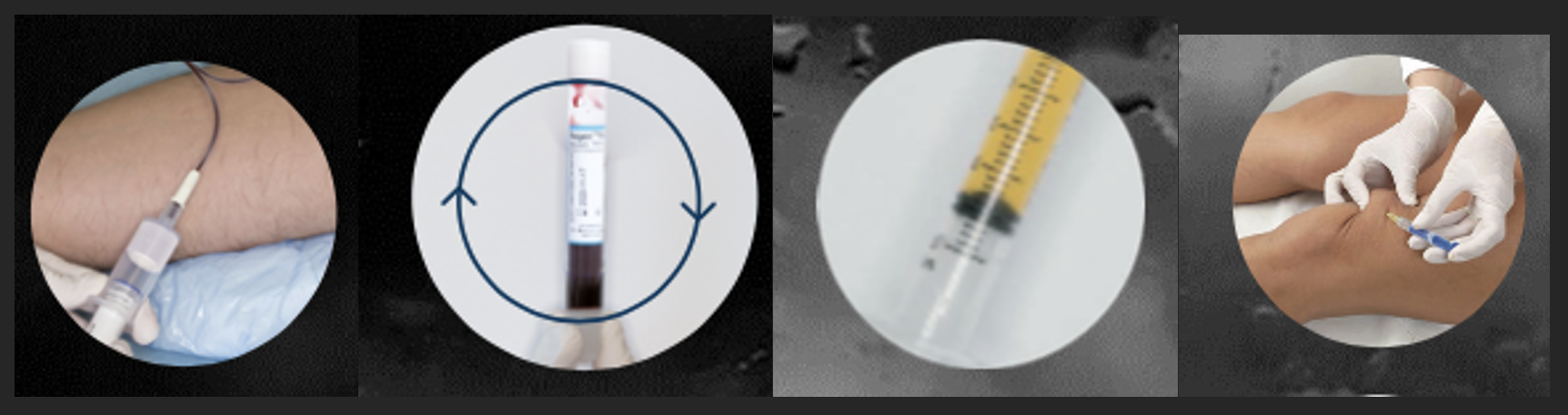
- Blood Collection: A 10-30ml blood sample is taken from your arm.
- Centrifuge: The blood is spun in a centrifuge to separate the contents of blood.
- Injection: The injection site is sterilised with antiseptic solution, with possible numbing using local anaesthetic if required. The prepared PRP is injected into the treatment area, often using ultrasound guidance for accuracy.
Treatment Schedule
Before starting PRP therapy, an initial assessment is required, including a physical examination, history, and possibly imaging or blood tests.
Inform your doctor if you are taking blood-thinning medications (e.g., warfarin, aspirin) and avoid anti-inflammatory drugs for 7-10 days before treatment.
If you are ill, treatment may be postponed. PRP therapy may require one to three treatments, with effects usually seen after a few weeks.
Effectiveness
The success of PRP depends on factors like your health, platelet quality, and the condition being treated.
While PRP shows promising results for knee osteoarthritis and tennis elbow, its effectiveness for other conditions is still being researched.
It may reduce the need for surgery and help with pain relief.
Side Effects
- Common Side Effects: Temporary pain flare-ups, stiffness, and mild swelling are common within 48 hours.
- Rare Risks: Bruising, infection, or nerve damage may occur
PRP is generally safe for individuals aged 18-80. However, it may not be suitable for those with:
- Acute or chronic infections
- Skin diseases (e.g., lupus, allergies)
- Chronic liver conditions
- Use of aspirin or systemic blood thinners
*Please consult with your doctor prior to injection for suitability and alternative treatment options
Pre-Treatment Guidelines
- Stop use of corticosteroids 10 days before the procedure.
- Discontinue blood thinners (e.g., aspirin) 5 days prior.
- Avoid supplements that increase bruising
- Limit caffeine, fatty foods, and alcohol.
- Stay hydrated.
After Treatment
- Avoid anti-inflammatory medications and strenuous activity for 7 days.
- Post-treatment discomfort is normal and can be managed with pain relief like paracetamol or tramadol.
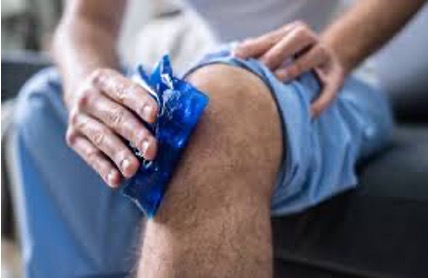
- Ice can be used during the first 24-48 hours, but after that, heat packs and gentle movement are recommended.
- After 48 hours, avoid strenuous activity and follow your doctor’s advice on resuming physical activities.
- Expect the full effects of treatment to be visible in 6-8 weeks.
Expected Results
PRP therapy can provide lasting relief by promoting healing in the treated area.
Improvement is often seen within weeks, with continued progress over time.
PRP can reduce the need for surgery and help patients return to their normal activities.
Role of Platelets & Growth Factors
- Promote wound healing and tissue regeneration
- Attract cells that fight infection
- Help with tissue closure and reduce bleeding
- Aid bone regeneration (osteogenesis)